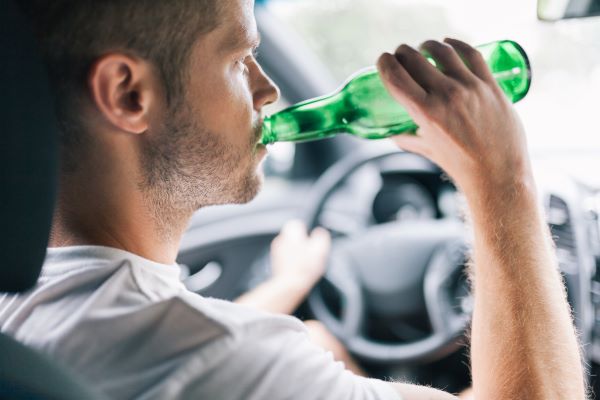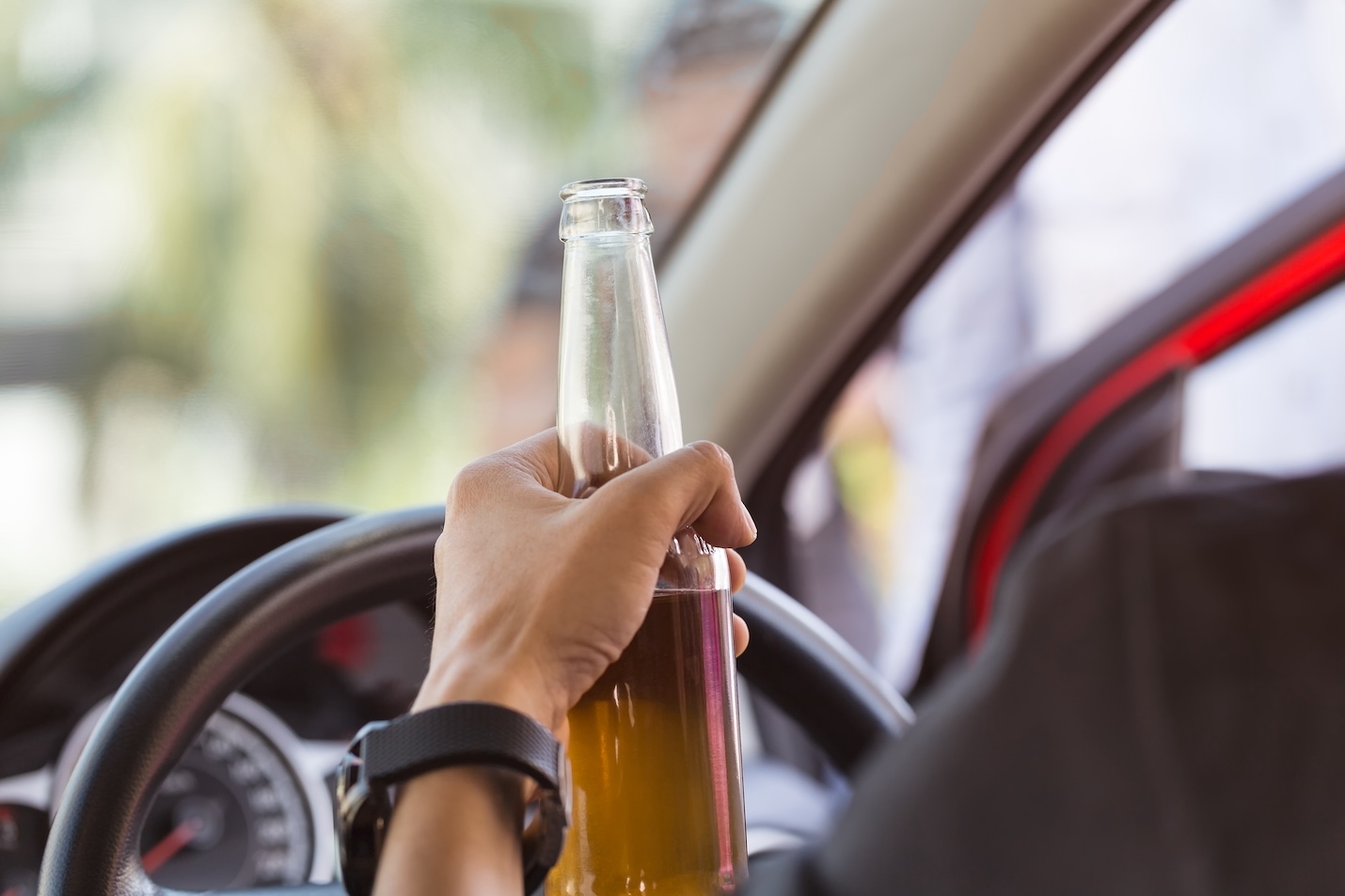

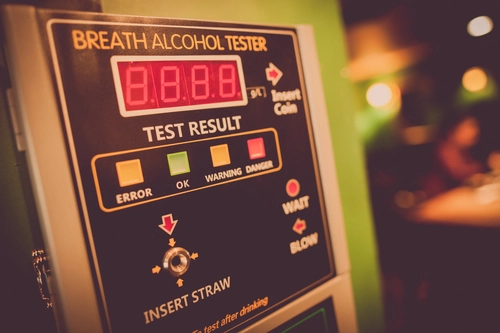
For most drivers in Indiana, the legal alcohol limit is 0.08%. Indiana sets lower limits for commercial drivers and drivers under 21. These limits are put in place to reduce the frequency of drunk driving and keep roads safe.
Drunk drivers significantly impact road safety, leading to severe accidents and fatalities. Legal limits are crucial in reducing such incidents and ensuring safer roads.
Below, we explain Indiana’s legal alcohol limits and the consequences of exceeding them. We also cover Indiana DUI laws, including the legal consequences, penalties, and criminal sentencing for impaired driving offenses.
If you’re facing an Indiana OWI allegation or have questions about alcohol testing, call (463) 465-2401 to discuss your next steps.
Blood Alcohol Concentration (BAC)
BAC measurements indicate the concentration of alcohol in a person’s bloodstream and can become central evidence in an OWI case.
What Is BAC?
Blood Alcohol Concentration, or BAC, is the amount of alcohol in your bloodstream. It’s expressed as a percentage: grams of alcohol per 100 milliliters of blood. For example, a BAC of 0.08% means 0.08 grams of alcohol per 100 milliliters of blood.
Measuring BAC
Law enforcement and medical professionals use two main methods to measure BAC: breath tests and blood tests. A breath test estimates alcohol concentration by measuring alcohol in your breath, while a blood test directly measures alcohol in a blood sample. The collection method, equipment, calibration records, operator procedures, timing, and handling of a sample can become important issues when chemical-test evidence is used in an OWI case.
Chemical testing doesn’t address every question about an OWI allegation. Field sobriety testing, officer observations, test administration, and compliance with Indiana’s regulatory procedures can also affect how the evidence is evaluated.
Factors That Affect BAC
BAC is variable from person to person. Here are some of the factors:
- Age: Younger people metabolize alcohol differently than older people.
- Weight: Body weight affects BAC after equal alcohol consumption.
- Gender: Body composition and metabolism can lead women to reach higher BAC levels after equal alcohol consumption.
- Medications: Some medications interact with alcohol and affect its absorption and metabolism.
- Time Since First Drink: The body starts absorbing alcohol in minutes and BAC can rise quickly depending on how long you’ve been drinking.
Why BAC Matters
Knowing your BAC is key to making smart decisions about drinking and driving. Alcohol affects people’s judgment, reasoning, self-control, and reaction times, even at BAC levels below the legal limit. There are tools like personal breathalyzers and online BAC calculators, but they have limitations and shouldn’t replace professional measurement methods. Err on the side of caution and don’t drive if you’re unsure of your BAC.
Indiana BAC Limits
Indiana applies different alcohol-concentration thresholds based on a driver’s age, license, and type of vehicle.
Standard BAC Limit
In Indiana, the legal alcohol limit for blood alcohol content (BAC) for most drivers is 0.08%. If your BAC is 0.08% or higher, you’re legally impaired and can be charged with DUI. This is the same as the federal limit and is in place to keep our roads safe.
Under Indiana Code 9-30-5-1(a), operating a vehicle with an alcohol concentration equivalent of at least 0.08% but less than 0.15% is a Class C misdemeanor. Indiana also permits an OWI charge based on intoxication, so a chemical-test result isn’t the only evidence that can be relevant.
BAC of 0.15% or More
An alcohol concentration equivalent of 0.15% or more is charged as a Class A misdemeanor under Indiana Code 9-30-5-1(b). This higher threshold carries a more serious misdemeanor classification than an alcohol concentration of at least 0.08% but less than 0.15%.
Commercial Drivers
For commercial drivers, the legal alcohol limit is stricter. It’s 0.04% for commercial vehicles like trucks and buses. This lower limit is because of the added responsibility and risks of driving larger vehicles or transporting people.
A commercial driver can violate Indiana law by operating a commercial motor vehicle with an alcohol concentration equivalent of at least 0.04% but less than 0.08%. Commercial driving consequences can involve separate licensing rules in addition to the criminal case.
Underage Drivers
A driver under 21 who operates a vehicle with an alcohol concentration equivalent of at least 0.02% but less than 0.08% commits a Class C infraction. This is a civil violation under Indiana’s underage alcohol law. A driver under 21 with an alcohol concentration equivalent of 0.08% or more can face the same OWI charge that applies to an adult driver.
Penalties for Exceeding BAC Limits
Driving above the legal alcohol limits can result in fines, license suspension, and imprisonment. The severity of the penalties depends on the driver’s BAC level, prior offenses, and whether the driver caused harm or damage.
Compliance Matters
Knowing and following Indiana’s BAC limits is important for all drivers. It’s for your safety and the safety of others on the road. Review these limits regularly and be mindful of your drinking to avoid legal issues and drive safely.
Indiana DUI Penalties for Exceeding the Legal Alcohol Limit
An Indiana OWI allegation can lead to misdemeanor or felony charges, depending on the alcohol concentration, prior convictions, injuries, and other circumstances.
Misdemeanor Charges
In Indiana, driving a motor vehicle with a BAC above 0.08% can result in misdemeanor charges. The severity ranges from Class A to Class C misdemeanors. A first-time OWI conviction without aggravating factors is considered a Class C misdemeanor, which is the least severe, while Class A misdemeanors are more severe with higher fines and longer jail time. The specific charge depends on the driver’s BAC level and prior offenses.
A Class C misdemeanor carries a maximum sentence of 60 days of imprisonment and a fine of up to $500. A Class A misdemeanor carries up to one year of imprisonment and a fine of up to $5,000.
Felony DUI
Certain circumstances can elevate an OWI charge to a felony. A new OWI charge becomes a Level 6 felony when the driver has a prior OWI conviction within the preceding seven years. Serious bodily injury, death, certain prior convictions, and other circumstances identified by Indiana law can lead to different or more serious felony charges.
A first drunk driving offense carries serious legal implications, including potential license suspension, jail time, and fines. A high alcohol concentration alone changes the misdemeanor classification at 0.15%, but it doesn’t by itself make the offense a felony. Felony OWI cases carry more severe potential penalties, including longer imprisonment and driving-privilege consequences.
Other Factors
Several other factors can impact the penalties for DUI in Indiana:
- Prior Convictions: Repeat offenders get harsher penalties including longer jail time and higher fines.
- Minors in the Vehicle: Driving under the influence with minors in the vehicle increases the penalties.
- Accidents and Injuries: Causing an accident or injury while driving under the influence results in more severe charges and penalties.
Habitual Vehicular Substance Offender
Repeat DUI offenders can be labeled as Habitual Vehicular Substance Offenders. This designation carries additional consequences intended to address repeat offenses and protect public safety.
A habitual vehicular substance offender enhancement can add a consecutive term of one to eight years. Separately, three qualifying judgments within 10 years can result in habitual traffic violator status and a 10-year forfeiture of driving privileges.
License Suspension & Revocation
A DUI conviction will result in the suspension or revocation of the driver’s license. An administrative suspension is an immediate suspension of a driver’s license after being arrested for OWI or DUI, which can lead to consequences such as license confiscation, installation of an ignition interlock device, limited driving privileges, and the requirement to request an administrative hearing to challenge the suspension. The length of the suspension depends on the severity of the offense and the driver’s history. For repeat offenders, the revocation period can be several years.
Financial Penalties
Fines for DUI in Indiana can be steep. They vary depending on the charge and circumstances but can include court costs, license reinstatement fees, and higher insurance premiums. Financial penalties are to deter drunk driving and pay for the administrative costs of enforcement and prosecution.
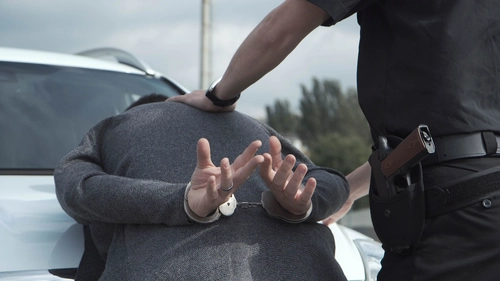
Indiana OWI License Suspensions & Chemical-Test Refusals
Driving privileges can be affected through separate BMV and criminal court processes after an OWI allegation.
BMV & Court-Ordered Suspensions
The Bureau of Motor Vehicles administrative process and the criminal court process are separate. On a first OWI allegation, a certified chemical test showing a prohibited alcohol concentration can trigger a 180-day BMV administrative suspension. After a conviction, a court may separately suspend driving privileges for up to the maximum incarceration period associated with the offense class.
Indiana’s Implied-Consent Law
Under Indiana’s implied-consent law, operating a vehicle in Indiana is treated as consent to the chemical-test provisions in Indiana Code 9-30-6. A first refusal of a certified chemical test results in a one-year license suspension. The refusal suspension is two years when the driver has a prior OWI conviction.
A refusal doesn’t prevent the State from pursuing an OWI case. Indiana Code 9-30-6-3 permits evidence of the refusal to be admitted at trial, where it can be considered with officer observations, field sobriety testing, and other evidence.
How to Measure Your BAC
Personal tools can estimate BAC, but they don’t provide the same measurement or evidentiary value as professionally administered testing.
Personal Breathalyzers
A way to estimate your blood alcohol concentration (BAC) outside a professional setting is with a personal breathalyzer. These portable devices measure the amount of alcohol in your breath and give you an estimate of your BAC. They’re not as accurate as the professional-grade equipment used by law enforcement, but they provide a quick way to check an estimated level of intoxication before you decide whether to drive.
Online BAC Calculators
Online BAC calculators can give you a rough estimate of your BAC based on your weight, gender, number of drinks, and time drinking. While these can be helpful as a guide, don’t rely on them for an exact measurement. Individual variations in metabolism and alcohol absorption mean your actual BAC can be way off from the calculator’s estimate.
BAC Charts
BAC charts are another tool to help you estimate your level of intoxication. These charts usually give BAC estimates based on weight and number of drinks. Like online calculators, BAC charts are only an estimate and should be used with caution.
Professional Testing
For an evidentiary BAC measurement, professional testing by law enforcement or medical personnel is required. Breath tests administered during an OWI investigation or blood tests performed in a medical setting can produce results used in legal proceedings. The reliability and legal effect of a result depend on the testing method, procedures, equipment, and surrounding evidence.
Factors That Affect BAC
Knowing the factors that affect BAC is important to make an accurate assessment. Here are the key factors:
- Body Weight: Heavier people have lower BAC than lighter people after consuming the same amount of alcohol.
- Gender: Women get higher BAC than men due to body composition and alcohol metabolism differences.
- Rate of Consumption: Drinking fast gets you higher BAC than drinking slow.
- Food Intake: Eating before or while drinking slows down the absorption of alcohol and gets you lower BAC.
Be Careful
Even with tools and methods to measure BAC, a cautious approach is to not drive if you’ve had any alcohol. Estimations can be off and individual reactions to alcohol can vary greatly. Play it safe for yourself and others on the road.
Contact an Experienced Indianapolis DUI Lawyer Today!
DUIs don’t look good on anyone’s record, but if you’re found exceeding the legal alcohol limit on the road in Indiana, you must have an experienced Indianapolis DUI attorney by your side. Indiana DUI laws are complex, and having proper legal representation is crucial in navigating the legal process and protecting your rights.
Rathburn Law Office, P.C. has more than 30 years of experience with DUI defense and complex traffic matters. Attorney Chuck Rathburn holds a Lawyer Scientist certificate and is an instructor in standardized field sobriety tests. We challenge the reliability of chemical testing, field sobriety testing, and regulatory procedures when those issues affect the allegations against you.
New clients get a free initial virtual case consultation, so contact us at (463) 465-2401!